
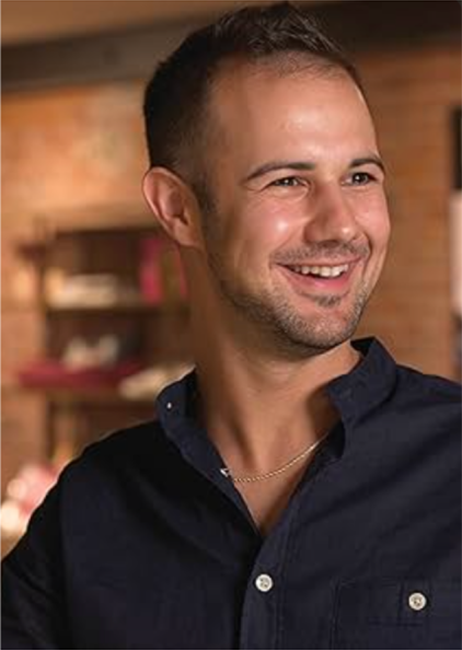
Vincent Anter | Founder/Host of V is for Vino Wine Show
YouTube is powerful. I know this as well as anyone; I went from knowing nothing about the platform to building my entire livelihood and business on it. It is the second-largest search engine in the world, right after Google. And its algorithm does not just reward popularity; it rewards relevance, which gives even small wineries a real chance to be discovered. But it’s only powerful when used correctly. Most wineries, and honestly most companies in general, are burning money, time, or energy on YouTube and seeing little to no return. The platform is not the problem. The approach is. You can invest a lot or a little into YouTube and still get results. How you invest those resources is what makes all the difference. So let’s go over some of the most common mistakes I see wineries making, and how to adjust.
Mistake #1: investing too much, too fast.YouTube has a massive graveyard of beautiful, high-production winery videos that cost thousands or even tens of thousands of dollars…and were seen by fewer than 1,000 people. YouTube rewards all types of creators. It rewards premium content, but it also rewards simple, amateur content when it is done right. The problem is that many wineries spend a large budget on one polished video, do not see instant success, and then stop entirely. I would much rather see a winery take that same budget and spread it across 20 lower-production, smaller videos, and make most of them “shorts” (short-form vertical videos). Not only do you get more shots at the “dartboard” for a video to gain traction, but you also carry far less risk. On top of that, the short-form content can be repurposed across Instagram, Facebook, and TikTok. Lower production, lower risk, and often higher return. Chasing one silver-bullet video before you have an audience, an established channel, or real platform experience is begging for a wasted investment.
Mistake #2: not setting goals before creating content. Why are you making YouTube videos in the first place? You would not set out on a road trip without a destination, and you should not create content without a clear goal. Are you trying to drive tasting room visits? Website traffic? DTC sales? Your goal should dictate the type of content you make. That does not mean your content should feel like ads. Quite the opposite. It should be about 90 percent value and 10 percent call to action. For example, a YouTube Short might quickly educate viewers on what makes your AVA unique or what makes your Cabernet different from others, followed by a simple mention of where to find your wine or how to visit you. But if you do not know exactly why you are putting time and resources into YouTube before you ever hit record, any views you get will be nothing more than a vanity metric. The goal is for views to turn into real ROI.
Mistake #3: not starting with your thumbnail and title. This matters for Shorts, but it matters even more for long-form content, meaning five-plus-minute horizontal videos that make up the core YouTube experience. In wine, we all know the importance of an eye-catching bottle and label. On YouTube, your bottle and label are your title and thumbnail. The algorithm rewards what viewers choose to click on and then continue watching. Because of that, the thumbnail and title determine the majority of a video’s success. So spend as much time planning them as you do the content of the video. The rule I was taught is simple: the thumbnail asks the question or creates intrigue, the title answers it, and the video delivers on the promise. For example, your thumbnail might show your winemaker holding a mystery glass of wine with the text, “Greatest Oregon Pinot?” The title could be, “How XYZ Winery Reinvented Pinot Noir.” And the video then delivers by clearly explaining what makes that wine special and different. Question, answer, delivery.
So what would I do if I were a winery wanting to dive into YouTube? I would start with small tests and simple formats before investing a ton of time, energy, and resources. You quickly learn that this is a long game. It’s a marathon, not a sprint. Every video you produce teaches you something about what works, what does not, and what your audience actually responds to. It took me years to land on the current format of V is for Vino, and every iteration has been better than the last. Instead of spending $20,000 on 30 videos all filmed at once, I would spend $5,000, or even $0. You can truly start with nothing other than an iPhone. Start with five. Post them. Study the performance. Go through the process. Decide if the platform is right for you. Then repeat in small waves so you can adjust along the way. I would have a clear goal for why I am on the platform in the first place, and a clear target audience in mind. And I would map out my thumbnails and titles before the cameras ever turn on, not after.
YouTube is an interesting platform. It rewards creativity, but it also gives businesses the freedom to use it as a true business tool. Used the wrong way, it quietly drains resources into videos that never see real traction. Used the right way, it compounds. It builds long-term viewership, long-term exposure, and long-term trust with surprisingly small investment when compared to traditional marketing.
If this is a platform you are curious about, cautious about, or already experimenting with, I will be breaking all of this down in much more detail at the Direct-to-Consumer Wine Symposium. If you want to understand how YouTube can actually work for wineries in the real world, not just in theory, I would love to see you there!